
How do I choose the right paint colour for my walls?
Choosing a paint colour sounds simple - until you’re standing in front of hundreds of shades wondering why the “perfect neutral” suddenly looks completely different at home.
Wall colour has a huge impact on how a room feels, but it isn’t just about choosing a shade you like. Light, furnishings, flooring and the mood you want to create all play a part in finding the right colour palette.
This guide shares the exact principles we use with our clients to create timeless interior colour schemes that feel balanced, cohesive and easy to live with.
Who This guide Is For?
This guide is ideal for homeowners searching for how to choose paint colours, interior colour ideas, or help creating a colour palette for their home.
Whether you’re refreshing one room or planning a full redesign, these principles will help you choose colours with confidence.
Key Takeaways
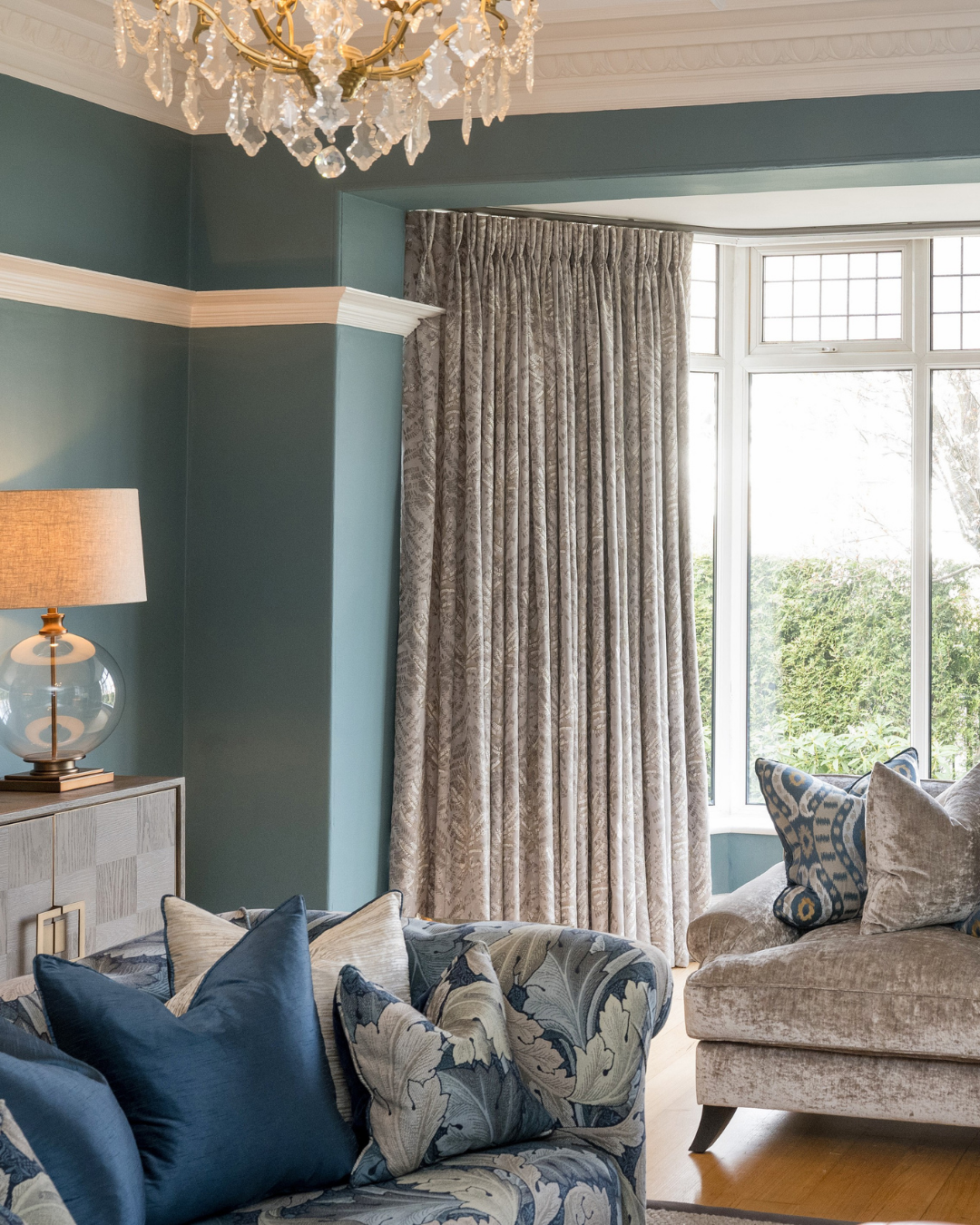
Always test paint colours in different lighting
Think about the whole room, not just the walls
White isn’t always the safest choice
Consider the feeling you want the room to create
Don’t be afraid of darker colours in smaller spaces
Test Paint Colours in Different Lighting
One of the biggest mistakes we see is choosing paint based on how it looked online or in a showroom.
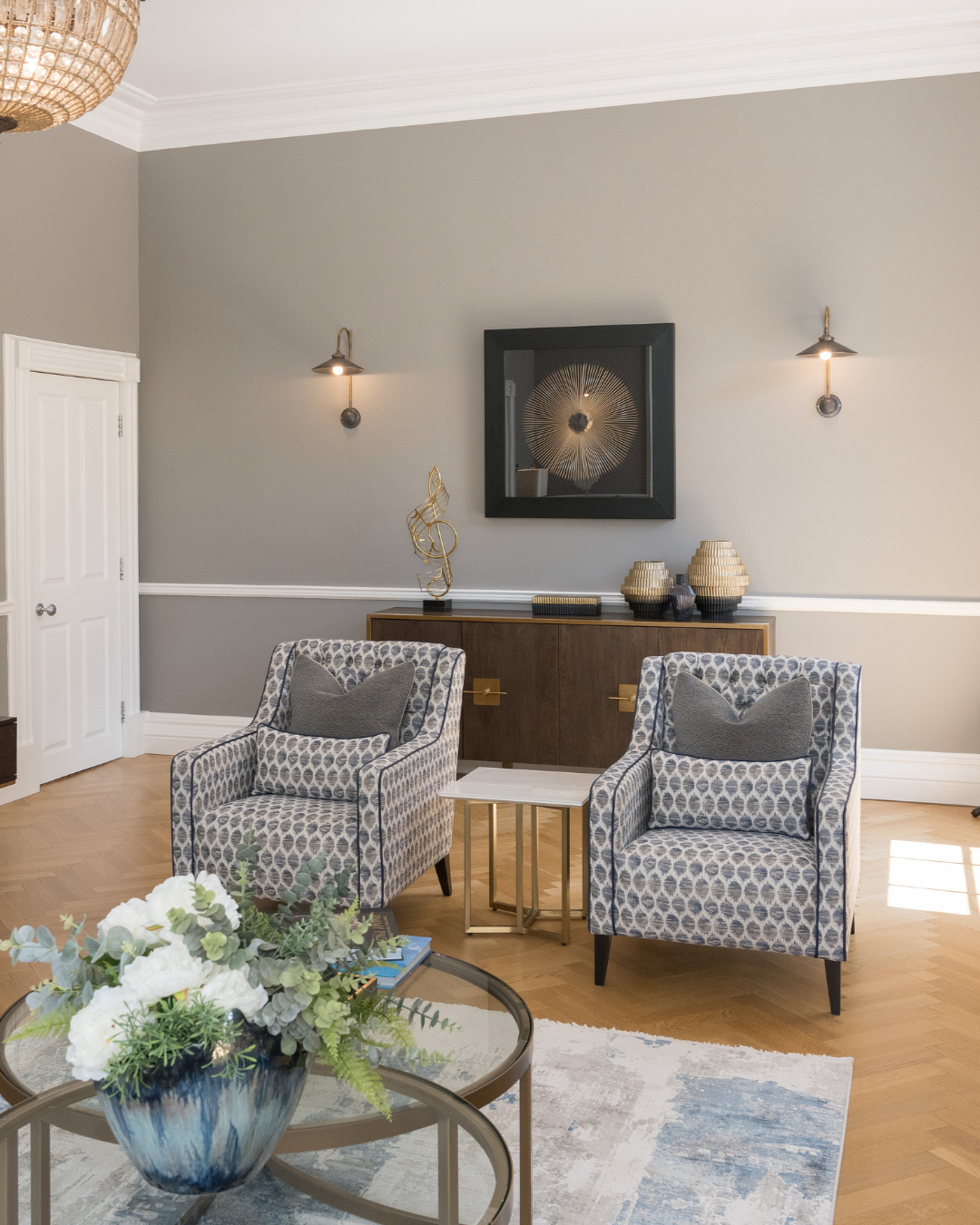
Natural light, artificial lighting and even the direction your room faces will all affect how a colour appears throughout the day. A soft neutral in one home can suddenly look grey, yellow or blue in another.
We always recommend painting a generous sample directly onto the wall, or onto lining paper that can be moved around the room. Apply two coats and allow them to dry fully before making any decisions.
Look at the colour in morning light, afternoon light and evening light before committing.
Think About the Whole Colour Palette
Wall colours should never be chosen in isolation.
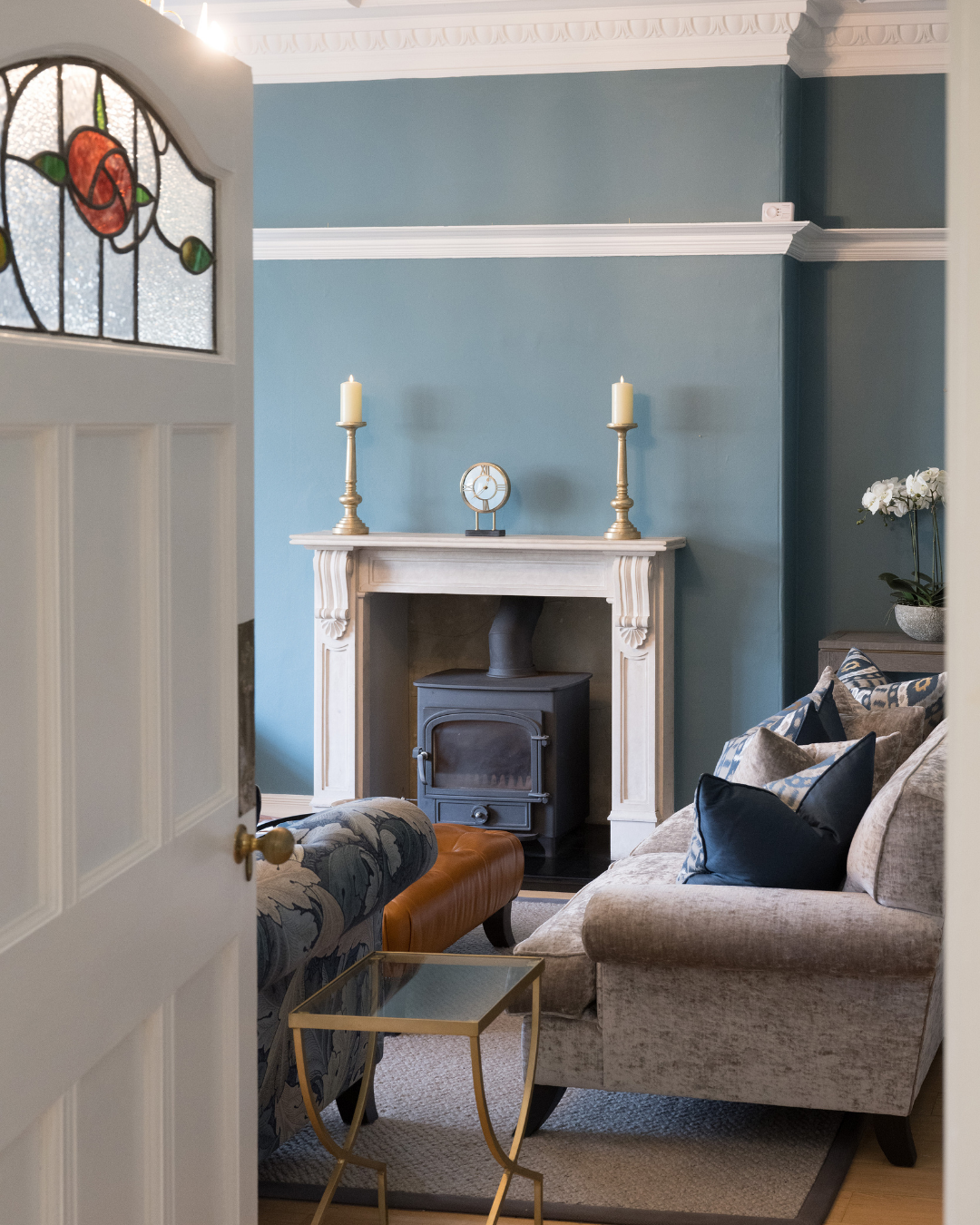
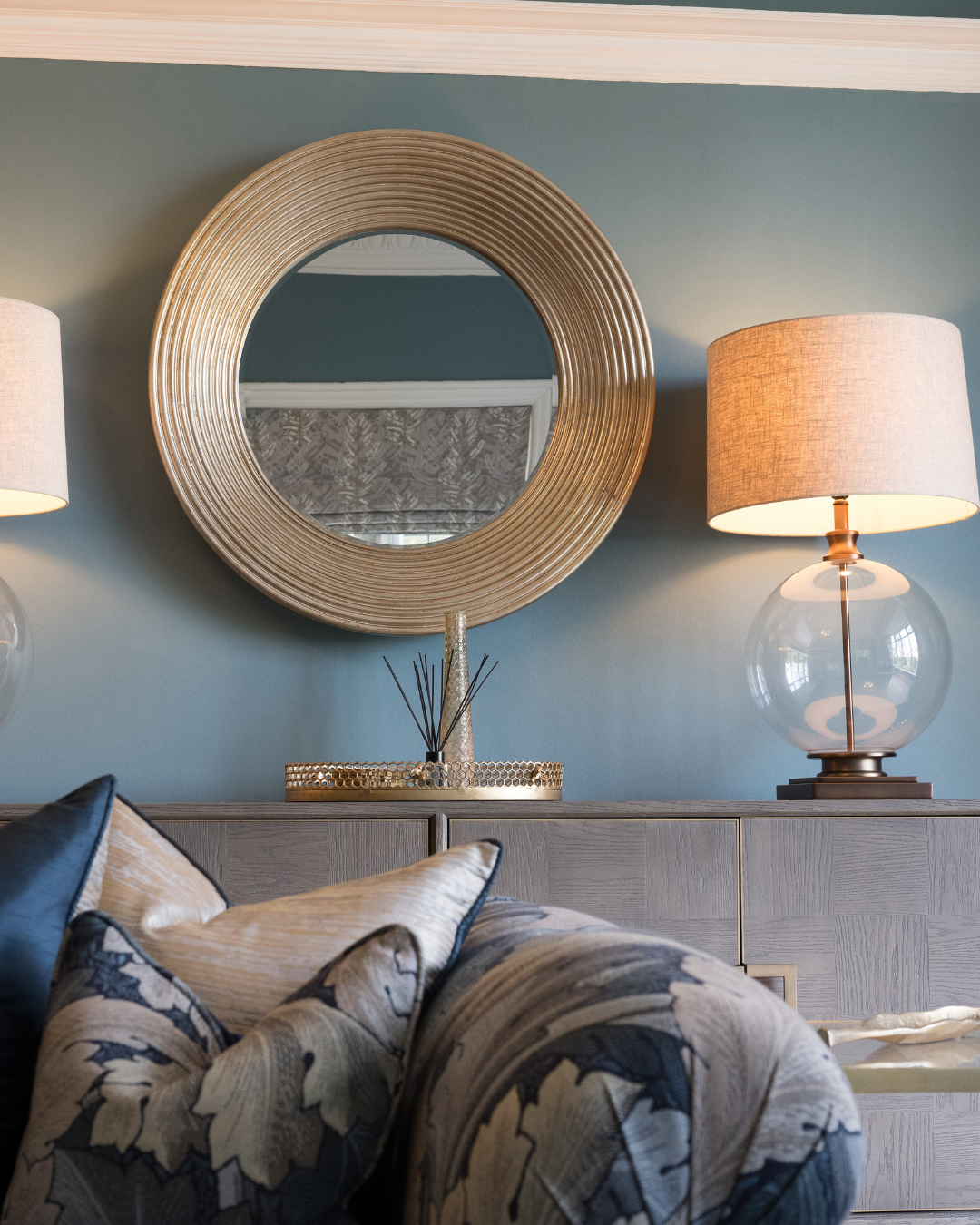
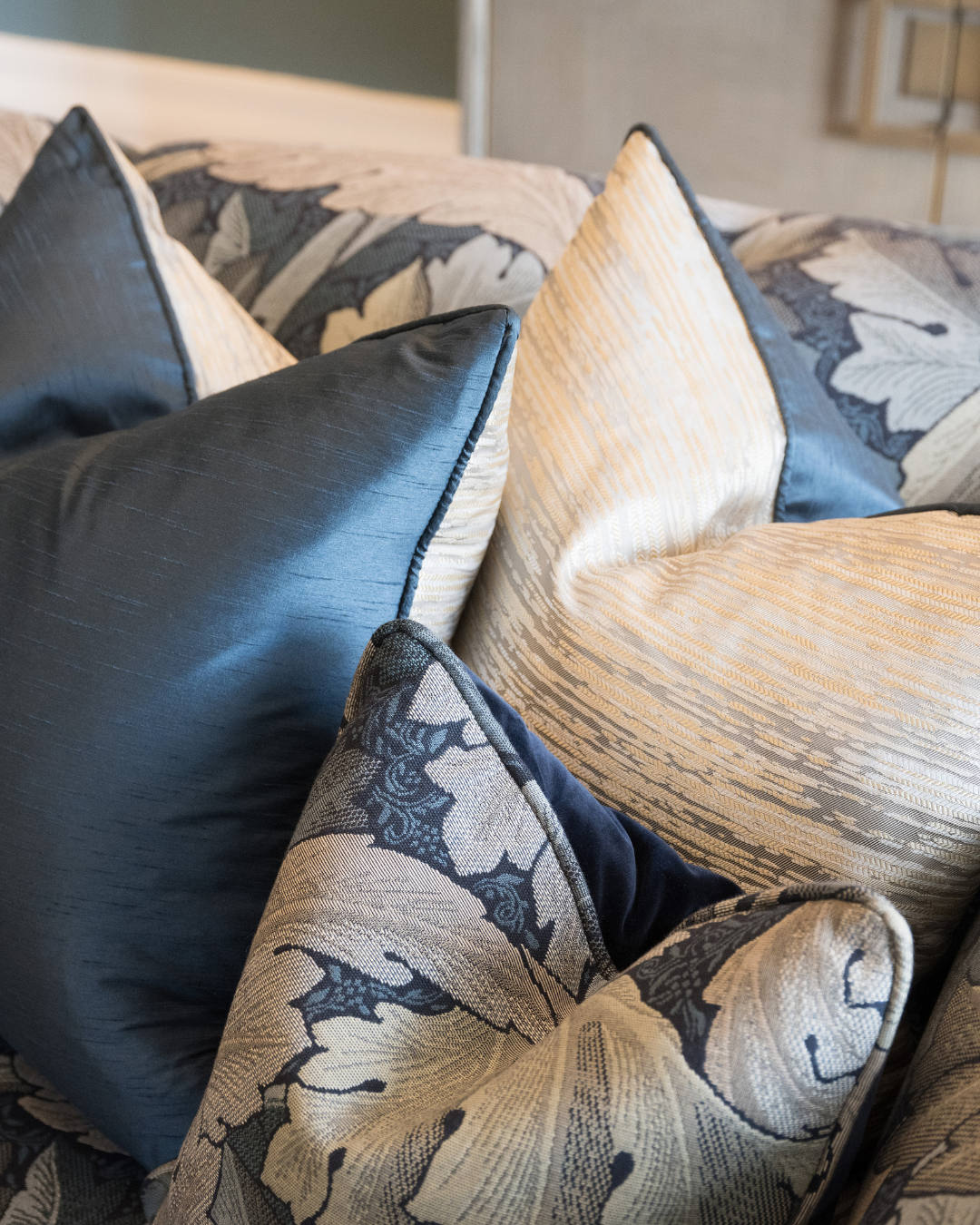
The most successful interior colour schemes work because the walls connect naturally with flooring, upholstery, curtains and window treatments, furniture and even the view outside your windows.
Rather than asking “What colour should my walls be?”, try asking “How will this colour work with everything else in the room?”
This creates a space that feels cohesive rather than disconnected.
Don’t Automatically Choose White
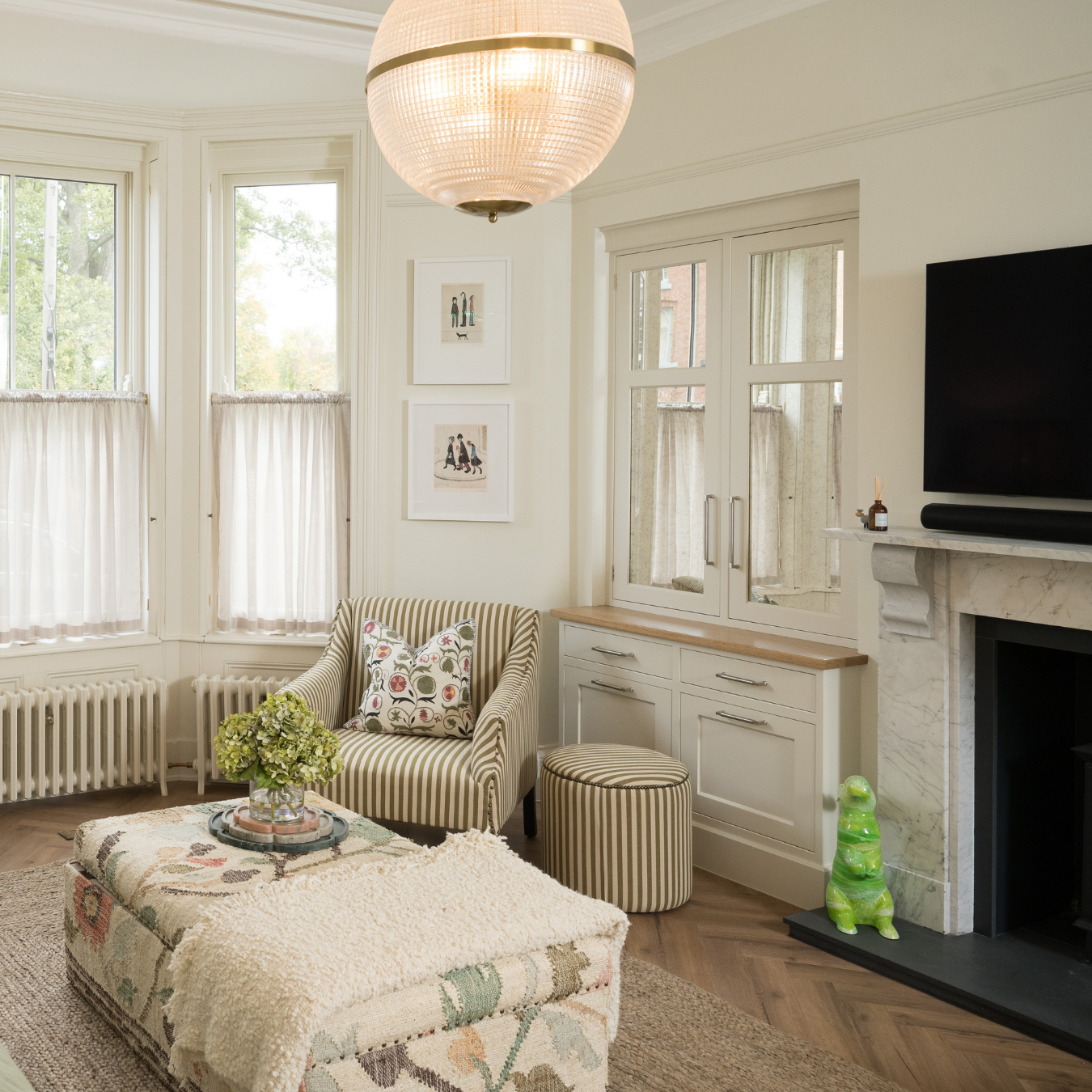
Many people assume white is the safest option, but choosing the wrong white can make a room feel cold, flat or clinical.
Warmer whites, soft stone shades and muted earthy tones often create a more welcoming atmosphere. Gentle greens, blush tones or warm neutrals can still behave like a neutral colour while bringing more depth and personality into the room.
Sometimes the “safe option” isn’t actually the most successful one.
Consider the Mood of the Room
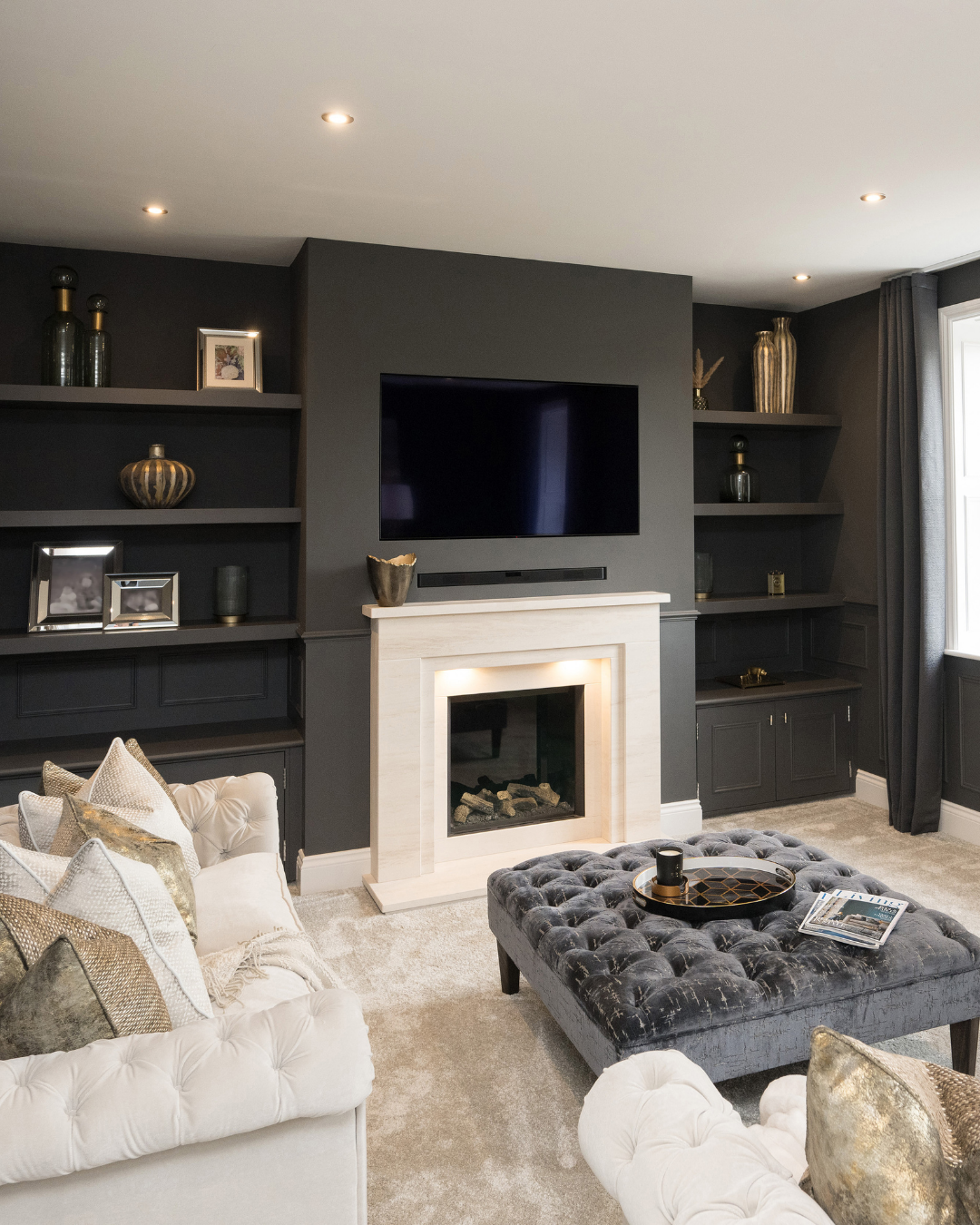
Before choosing a paint colour, think about how you want the room to feel.
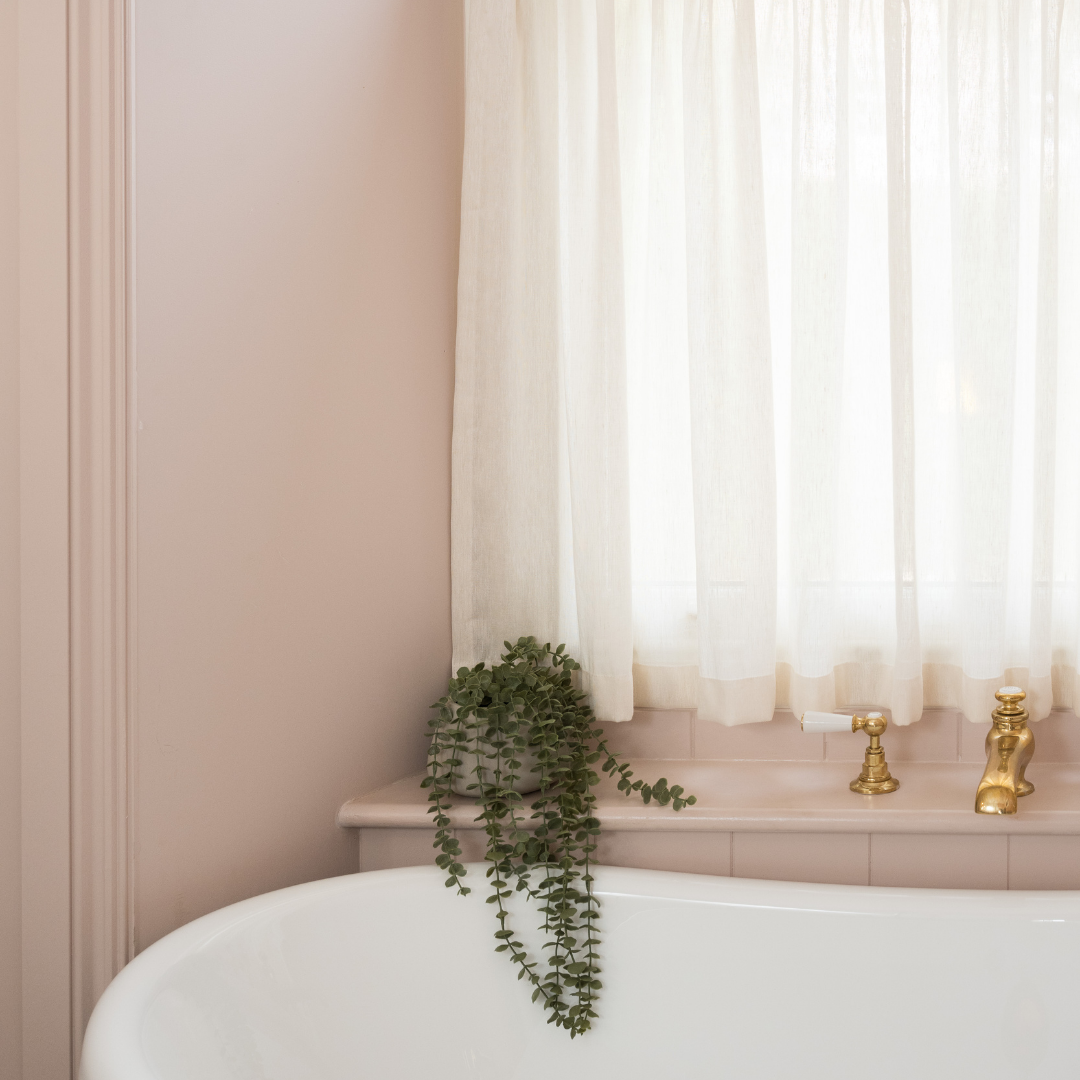
A bedroom may need soft and calming tones. A dining room might suit richer, moodier colours. Family spaces often benefit from warm, grounded shades that feel relaxed and inviting.
Colour has a powerful influence on the atmosphere of a room, so your choices should support the way you want to live in the space.
We often explore this through real client spaces and completed home transformations to ensure the finished result feels personal and considered.
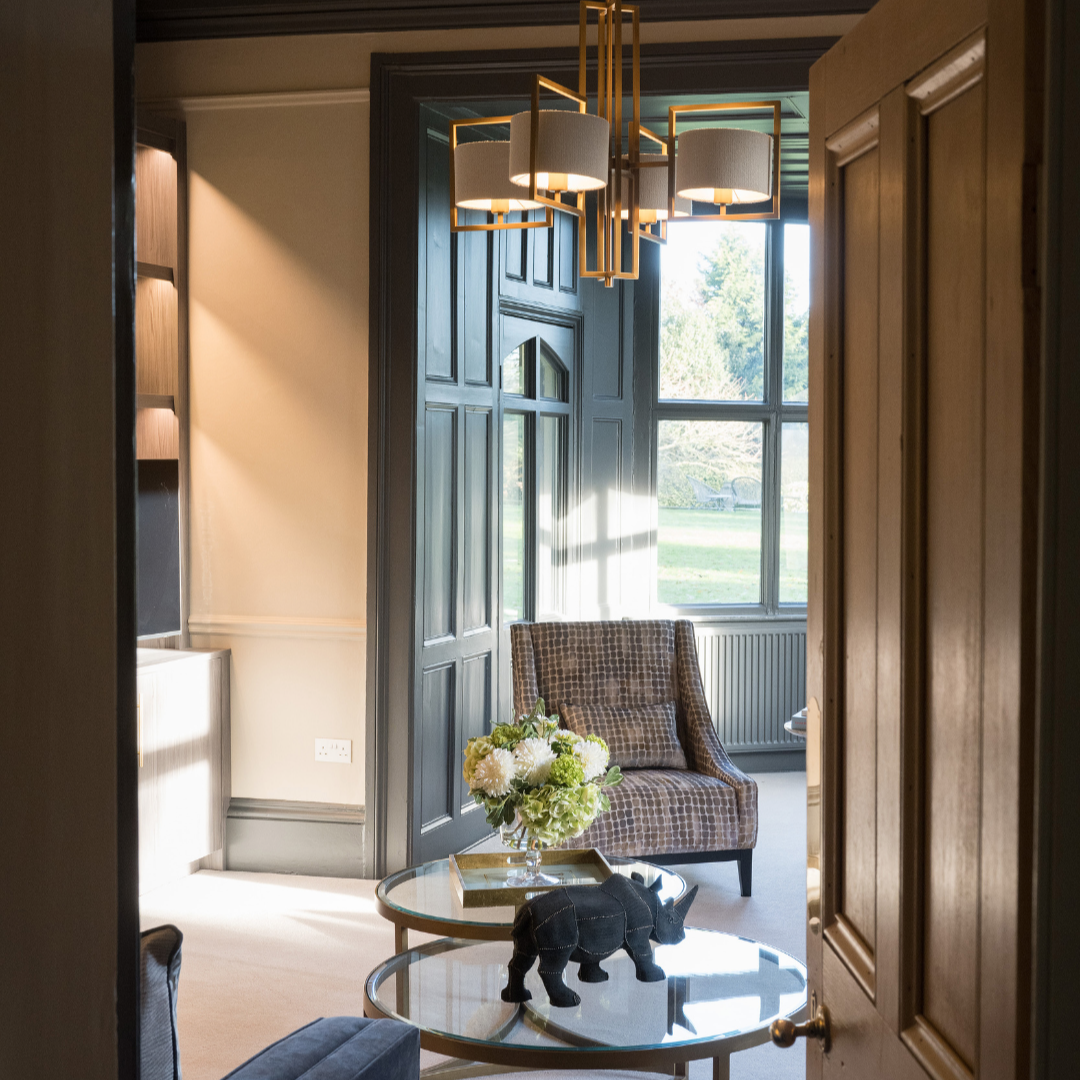
Don’t Be Afraid of Dark Colours in Small Rooms
One of the biggest design myths is that small rooms should always be painted in pale colours.
In reality, deeper shades can often work beautifully. Rich plums, warm earthy tones and inky blues can create a cocooning effect that makes a room feel intentional and full of character.
Rather than making a room feel smaller, darker colours often add depth and create a more considered design.
Common Paint Colour Mistakes to Avoid
Choosing colours without testing them at home
Selecting paint before considering furniture and finishes
Assuming white always works best
Following trends without thinking about longevity
Being afraid of deeper colours in smaller spaces
FAQ’S
-
Try narrowing it down to three or four options so comparisons feel manageable.
-
Yes. Light direction and time of day can dramatically change how colour appears.
-
Not necessarily, but colours should flow naturally from one space to another.

Ready to Create a Colour Palette That Works?
From our studio in Wetherby, North Yorkshire, we help homeowners create beautifully balanced interiors that feel timeless and personal — and we work with clients both locally and further afield.
Whether you're refreshing one room or planning a larger renovation, our full-service interior design approach covers everything from concept and colour selection through to installation and finishing touches.
Book a Discovery Appointment or call 01937 581451 to chat through your project. (Visits by appointment only)